
By Meredith Jones, Owner, Ally Property Inspections · Published August 4, 2026
Key Takeaways
- Drought foundation damage happens because dry clay soil shrinks, leaving voids that sections of the foundation settle into.
- Soil expansion and shrinkage is the #1 cause of foundation failure in slab-on-grade homes.
- Atlanta and Birmingham sit on expansive clay, so summer dry spells hit local foundations hard.
- A soaker hose around the home’s perimeter during dry weather is cheap, effective protection.
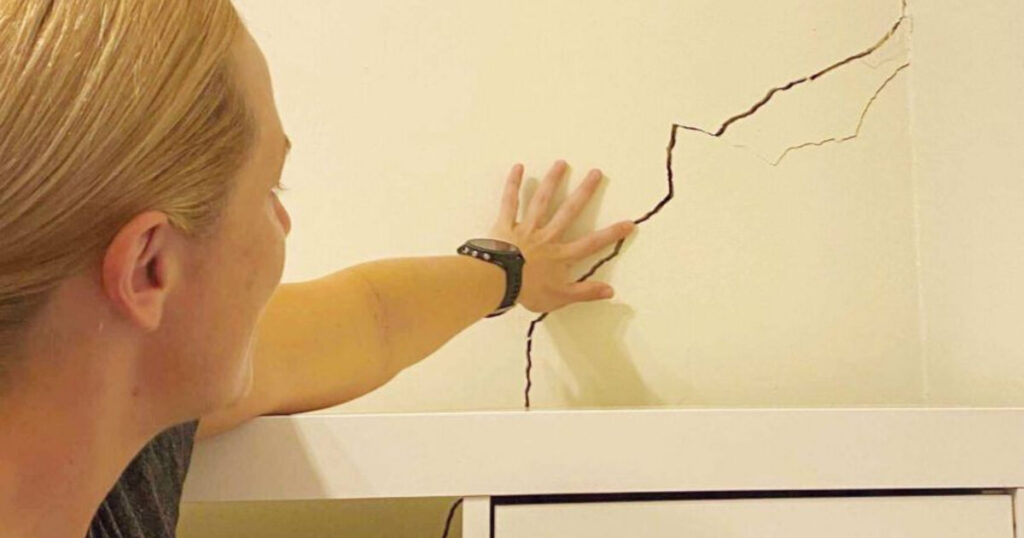
Drought foundation damage is the summer problem most homeowners never see coming. No storm, no flood, no drama — just weeks without rain, and then a crack appears over the kitchen doorway. Here’s why: prolonged dry periods cause soil to dry out, and when clay dries, it shrinks. Soil shrinkage beneath a foundation works just like settling. A section of the foundation cracks and sinks into the void the shrinking soil left behind. Across metro Atlanta and central Alabama, where expansive red clay dominates, July and August are foundation season.
Why Clay Soil Makes Drought Foundation Damage Worse
Not all soil behaves the same. Sandy soils drain and hold their volume, while clay soils swell when wet and shrink when dry. The Southeast’s red clay is famously expansive. Consequently, a foundation here rides on a material that changes volume with the weather, season after season.
In fact, soil expansion is the number one cause of foundation failure in slab-on-grade foundations. The damage compounds over cycles: drought shrinks the soil and the foundation settles, then heavy rain swells the soil and pushes back. Each cycle works the cracks a little wider.
The Construction Wildcard Nobody Can See
Some homes are born vulnerable, because the weather during the original foundation pour is unknown. When soil moisture was too high during construction, swelling and over-compaction problems follow. When it was too low, sediments shrink and create voids — and more importantly, an environment prone to future swelling. Similarly, poor compaction of the building pad before the pour causes more-than-normal settling for years afterward.
None of this is visible during a home inspection decades later. That’s one more entry for the list of what a home inspection won’t find — the most important parts of a foundation are underground.
Warning Signs of Drought Foundation Damage
Watch for these signals during and after a dry spell:
- New diagonal cracks in drywall, especially above doors and windows
- Doors and windows that suddenly stick or won’t latch
- Stair-step cracks in exterior brick or block
- Gaps opening between walls and ceilings or floors
- A gap appearing between the soil and the foundation’s edge
One crack doesn’t mean catastrophe. However, new or widening cracks during a drought deserve attention, because the soil is actively moving.
The Soaker Hose Fix: Cheap Insurance
The best drought protection costs less than a dinner out. Irrigate the perimeter of your home using a soaker hose during dry conditions, watering all areas evenly. The goal isn’t a swamp — it’s consistent soil moisture, so the clay neither shrinks nor swells dramatically. Even watering matters most; wetting one side while the other stays bone dry just moves the problem around. In addition, keep gutters extended away from the foundation and maintain consistent grading, because drainage problems amplify every wet-dry cycle. The federal drought-preparedness resources cover broader household impacts.
Hydrostatic pressure is the other half of this story — what happens when the rains return and saturated soil presses against basement walls with thousands of pounds of force. Buyers evaluating any home with visible cracks should read our flipped house red flags guide too, since fresh paint and new drywall hide settlement history remarkably well.
Frequently Asked Questions About Drought Foundation Damage
Can a drought really crack a foundation?
Yes. Dry clay soil shrinks and creates voids beneath the foundation. As a result, sections of the foundation settle into those voids and crack.
Why are Atlanta and Birmingham homes at higher risk?
Both metros sit on expansive clay soil that swells when wet and shrinks when dry. Therefore, summer dry spells move the ground beneath local foundations more than in sandy regions.
Should I water my foundation during a drought?
Yes — use a soaker hose around the home’s perimeter and water all areas evenly. Consistent soil moisture prevents the shrink-swell cycle that causes damage.
Are small foundation cracks normal?
Hairline cracks are common and often harmless. However, new, widening, or stair-step cracks — especially during dry weather — deserve a professional evaluation.
Will a home inspection catch foundation problems?
An inspection documents visible evidence like cracks and unlevel floors. Nevertheless, the underground causes stay hidden, and problems can develop after the inspection at any time.
When should I call a structural engineer?
Call one when cracks widen rapidly, doors stop closing throughout the home, or your inspector recommends further evaluation. An engineer can quantify the movement and design the fix.
Worried About a Crack? Get Eyes on It
Whether you’re buying a home in late summer or watching a crack grow in the one you own, don’t guess. Contact Ally Property Inspections — we inspect foundations across metro Atlanta, Birmingham, and Huntsville, and we’ll tell you plainly whether it’s cosmetic or a problem.