
By Meredith Jones, Owner, Ally Property Inspections · Published July 14, 2026
Key Takeaways
- A home inspection is a limited, non-invasive, visual examination — a general checkup, not an X-ray.
- What a home inspection won’t find usually lives behind walls, under insulation, underground, or inside equipment.
- Foundations, sewer lines, HVAC internals, mold, and radon all require specialized add-on evaluations.
- For most buyers, a sewer scope and mold or radon testing are inexpensive compared to the repairs they reveal.
Every buyer should understand what a home inspection won’t find before inspection day. A home inspection is a limited, non-invasive examination of a home’s condition. Think of it like a checkup with your general practice doctor, not an X-ray exam. Our inspectors have a keen eye for detail. However, they can’t see through walls, under slabs, or inside sealed equipment. This post explains the most common hidden problems, why they stay hidden, and which add-on tests close each gap.
For a quick list of excluded items, see our earlier post on 8 things a general home inspection doesn’t cover. Here, instead, we go deeper into the why — and what to do about it.
Foundations: The Most Important Parts Are Invisible
Foundations are complicated systems, and their most important parts sit underground. The earth beneath a house continues to shift and move. In addition, droughts and periods of heavy rainfall change how the soil supports the structure. That’s especially true in the expansive clay soils common across metro Atlanta and central Alabama.
Footing drains are a good example. These perforated pipes around the foundation’s perimeter collect and redirect water away from the home. Over time, muddy water clogs them, and water then finds its way through small crevices into the basement. Because they’re buried, no visual inspection can confirm whether they work.
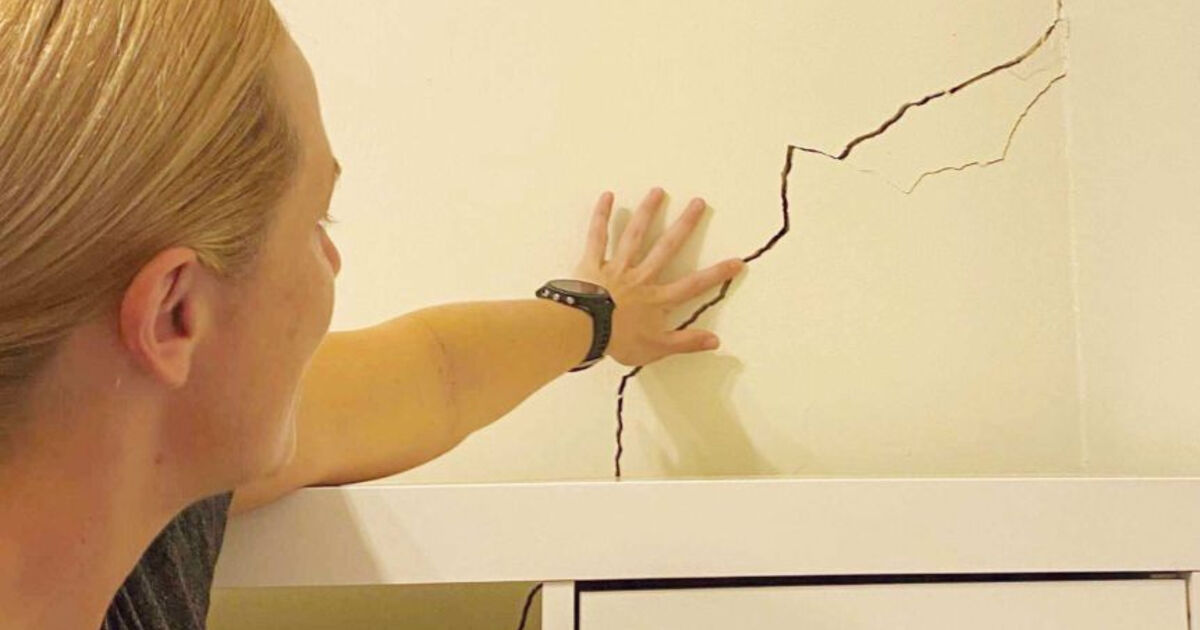
Hydrostatic pressure adds another invisible force. When saturated soil presses against basement walls, thousands of pounds of pressure stress the foundation. The cracks that result may not appear until long after closing. We cover the drought side of this in our post on drought and foundation damage.
Crawl Spaces and Attics: Access Limits What We See
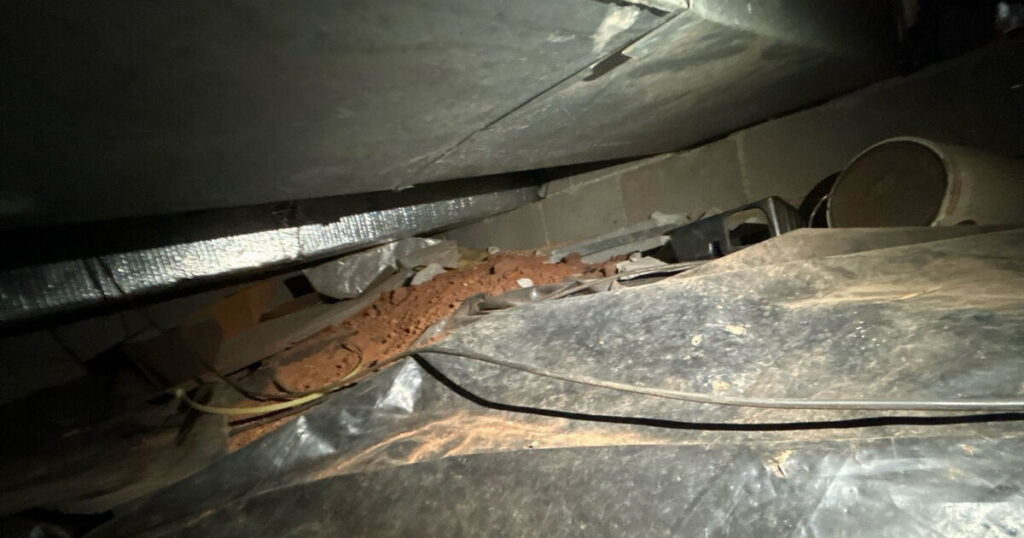
Crawl spaces top the list of what a home inspection won’t find in full. It’s almost impossible to see 100% of any crawl space. Plumbing, ductwork, dangerous wiring, pests, debris, and low clearance all block access. Similarly, encapsulation and insulation can hide the very surfaces an inspector needs to evaluate.
Attics have the same problem. Some attics can be walked, while others must be inspected from the ladder because of construction or stored belongings. As a result, roof leaks, hidden junction boxes, framing issues, and pests buried under insulation can all go unseen. Inspectors also aren’t required to disturb insulation, per the ASHI Standard of Practice.
What a Home Inspection Won’t Find Behind Walls
Drywall hides plumbing and wiring, so an inspector can’t confirm what type of pipes run through the walls or whether all wiring was upgraded. Pinhole copper leaks are a classic example. These tiny leaks may not show until water damage appears somewhere visible. For instance, a full infrared moisture scan during the inspection can sometimes catch them early — see how in our post on thermography inspections.
Siding installed over old siding creates the same blind spot outside. The new layer can conceal extensive rot, and worse, it can trap moisture that accelerates the damage.
Sewer Lines, Septic Tanks, and Buried Drains
Sewer line and septic inspections are not part of a standard home inspection, because the lines are underground. Nevertheless, this is where some of the most expensive surprises hide. Hiring a company to camera the sewer line is a small investment that can save thousands of dollars in repairs. Likewise, buried gutter extensions can be fully clogged without any visible sign unless it has rained recently.
Buying in Georgia? Our Atlanta sewer scope inspection guide explains exactly what the camera sees.
HVAC Internals, Mold, and Radon
Home inspectors aren’t licensed to open up a furnace or air conditioner and test internal components. Therefore, a licensed HVAC company’s evaluation is a worthwhile add-on for older systems.
Mold is similar. All homes have mold, and it isn’t necessarily visible. The most common causes of unseen mold are slow roof leaks, small plumbing leaks, window leaks, and condensate problems inside ductwork. Air quality testing identifies the strains and concentrations; learn more at the EPA’s mold resource page.
Finally, radon is invisible by definition. You cannot see, smell, or taste it, yet it’s linked to roughly 21,000 lung cancer deaths per year. Only a 48-hour test reveals the level in a specific home.
Frequently Asked Questions About What a Home Inspection Won’t Find
Why won’t a home inspection find everything?
Because it’s a visual, non-invasive examination. Inspectors can’t open walls, dig up sewer lines, or disassemble equipment. Therefore, hidden and intermittent problems can escape even a careful inspection.
What items aren’t required to be inspected?
Common exclusions under ASHI standards include pools, central vacuums, water softeners, security systems, permanently installed generators, and docks. Also, areas above drop ceilings are excluded.
Which add-on inspections are worth it?
For most buyers, a sewer scope tops the list. In addition, mold air-quality testing, radon testing, and a licensed HVAC evaluation make sense for many homes, especially older ones.
Can an inspector find hidden mold?
Not visually. However, air quality testing during the inspection measures mold strains and concentrations, with lab results typically ready within 24 to 48 hours.
Does a home inspection predict future problems?
No. It documents the home’s condition at one moment in time. Mechanical devices, for example, can fail at any point after the inspection.
What if my inspector missed something?
First, determine whether the item was within the inspection’s scope. Then review your inspection agreement. We explain the process in our post on what to do if your home inspector missed something important.
Close the Gaps Before You Close on the House
Knowing what a home inspection won’t find lets you choose the right add-on tests instead of getting surprised later. Our team offers sewer scopes, mold and air-quality testing, radon testing, and thermal imaging across Birmingham, Huntsville, and metro Atlanta. Contact Ally Property Inspections to build the right inspection package for your home.