

By Meredith Jones, Owner, Ally Property Inspections · Published July 9, 2026
Key Takeaways
- Buying a flipped house carries different risks than buying from a long-term owner, because the seller never lived with the home’s problems.
- The five biggest red flags: major systems left untouched, cosmetic-only renovation, no list of work performed, no contractor disclosed, and no permits pulled.
- Permits are verifiable. Therefore, always call the county or city permitting department before you close.
- In fast-moving flip markets like Atlanta and Birmingham, a thorough inspection plus a sewer scope is your best protection.
Buying a flipped house can be a smart move, but it can also hide expensive surprises behind fresh paint. A flip is a home that has sold at least twice within one year. In hot metro markets like Atlanta and Birmingham, flips make up a meaningful share of renovated listings. Because the investor never lived in the home, no one has experienced its leaks, drafts, or quirks. As a result, you need to investigate more, not less.
After thousands of inspections across Alabama and Georgia, we see the same warning signs repeat. Here are the five red flags we look for, and how you can check them yourself.
Red Flag #1: Major Systems Weren’t Replaced
Many flips focus the budget where buyers look: kitchens, bathrooms, and flooring. Meanwhile, the roof, HVAC, water heater, electrical panel, and plumbing stay original. Those systems are the most expensive parts of a home to replace.
Ask the seller directly: what was the renovation scope? If the answer is mostly cosmetic, then budget for the systems’ real ages. For example, a 2005 furnace in a “fully renovated” 2026 listing is still a 21-year-old furnace.
Red Flag #2: Cosmetic-Only Renovation
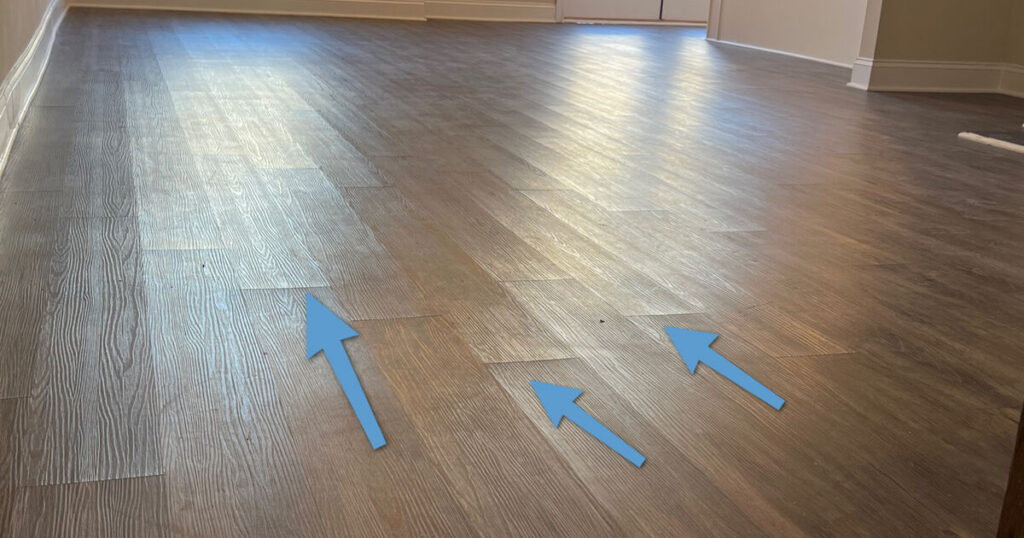
Don’t be fooled by lipstick on a pig. A pretty surface can hide big problems, and flippers know that staging sells. New luxury vinyl plank, in fact, can cover sloping floors. Fresh paint can cover water stains. New siding installed over old siding can trap moisture and conceal rot.
During your due diligence period, look past the finishes. Open the electrical panel, run every faucet, and check the crawl space access. Most importantly, hire an inspector who will do the same with better tools.
Red Flag #3: No Comprehensive List of Work Performed
A responsible renovator can hand you a written scope of work. If the seller can’t produce one, you can’t verify what was done or whether it was done properly. Consequently, you may end up paying to correct hidden shortcuts later.
Also ask for references. Sellers who flip multiple homes should be able to share 3 to 5 recent buyers. Call them and ask what surprises showed up after move-in, and what the seller did about it.
Red Flag #4: No Contractor Disclosed
Find out who the general contractor was. Then ask yourself a simple question: would you hire them? Roughly 70% of homeowners take on DIY projects, and investor DIY work shows up constantly in flips. Obvious shortcuts, in addition, usually mean the work wasn’t professionally done where it counts.
If you can’t ask informed questions about the work, you don’t know what you’re buying. That uncertainty should show up in your offer price.
Red Flag #5: No Permits Pulled When Buying a Flipped House
Unpermitted work is the most verifiable red flag, because permits are public records. Here’s how to check:
- Call the permitting department for the county or city where the home sits.
- Verify whether permits were pulled for the renovation work.
- Confirm the inspections were completed and the permit was closed.
If work wasn’t permitted, you may have to purchase the permit later with a penalty. Therefore, consider an extended-coverage title policy that covers unpermitted work. We cover this topic in depth in our post on unpermitted work when buying a home.

How an Inspection Protects You When Buying a Flipped House
A home inspection is a visual, non-invasive examination, so it can’t see inside walls. However, an experienced inspector recognizes flip patterns quickly: mismatched materials, amateur wiring, plumbing shortcuts, and finish work that hides rather than fixes. For instance, our inspectors flag floors that were refinished over damaged boards instead of repaired.
Because flips change hands fast, we also strongly recommend a sewer scope. Sewer lines are expensive to replace, and flippers almost never touch them. Read why in our guide to getting a sewer inspection before buying a home.
Atlanta buyers have one extra reason for caution. Georgia doesn’t license home inspectors, so anyone can claim the title. The ASHI Standard of Practice defines what a professional inspection covers — make sure your inspector follows it.
Frequently Asked Questions About Buying a Flipped House
What is considered a flipped house?
A flipped house is generally one that has sold at least twice within one year. Typically, an investor buys it, renovates quickly, and resells it at a profit.
Is buying a flipped house a bad idea?
Not necessarily. However, you take on more unknowns because the seller never lived there. A thorough inspection, permit verification, and contractor references reduce the risk significantly.
How do I verify permits on a flipped house?
Call the permitting department for the city or county. Then verify that a permit was pulled, the inspections were completed, and the permit was closed.
What if the renovation work wasn’t permitted?
You may inherit the problem, because unpermitted work can require penalty fees or corrections later. Therefore, consider negotiating the price or asking for an extended-coverage title policy.
Do flipped houses need a different kind of inspection?
The inspection itself is the same. However, we recommend adding a sewer scope, and we pay extra attention to DIY warning signs and concealed shortcuts.
Are flips common in Atlanta and Birmingham?
Yes. Both metros have active investor markets. As a result, buyers in these cities should always check the sale history and renovation scope before making an offer.
Schedule Your Flip Inspection Before You Close
Thinking about buying a flipped house in metro Atlanta, Birmingham, or Huntsville? Our certified inspectors know exactly where flips hide their shortcuts. Contact Ally Property Inspections to schedule, and we’ll help you buy with your eyes open.