
By Meredith Jones, Owner, Ally Property Inspections · Published July 23, 2026
Key Takeaways
- Knob and tube wiring was the standard electrical method from roughly 1880 through the early 1940s.
- Its insulation becomes brittle with age and heat, which raises the risk of fire.
- It has no ground wire, so it can’t safely serve modern three-pronged appliances.
- Historic neighborhoods in Atlanta and Birmingham still hide plenty of it — often under attic insulation where inspectors can’t see.
Knob and tube wiring shows up in the homes people fall in love with: the bungalows of Atlanta’s Inman Park and Candler Park, the foursquares of Virginia-Highland, and the historic cottages of Birmingham’s Highland Park. From roughly 1880 through the beginning of the 1940s, knob and tube wiring was the standardized way to wire a house. If you’re buying a home from that era, you need to know whether it’s still in the walls. This guide explains how it works, why it’s a problem today, and what to do if your inspector finds it.
What Is Knob and Tube Wiring?
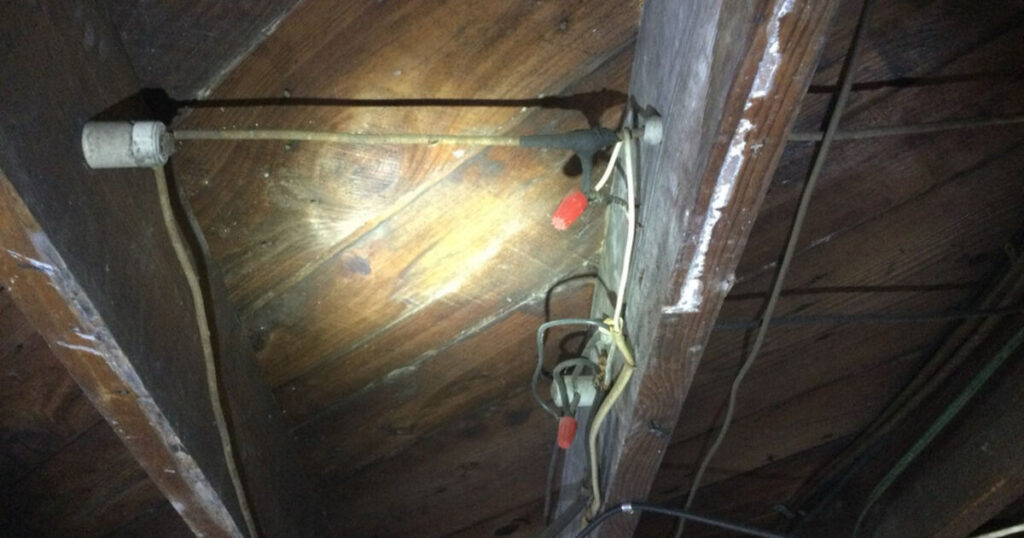
The system used single-insulated copper conductors run through wall and ceiling cavities. Porcelain tubes protected the wires where they passed through joists and studs, while porcelain knobs held them in place along their runs. Where wires entered devices, a cloth sleeve called a loom shielded them. The original insulation was cotton fabric soaked in asphalt, and rubber came later.
For its time, it was well-engineered. However, “its time” ended more than 80 years ago.
Why Knob and Tube Wiring Doesn’t Fit Modern Homes
Three problems make this wiring a poor fit for how we live now. First, the rubber and cotton insulation becomes brittle and dries out from heat and age. Brittle insulation cracks, and exposed conductors increase the chance of fire. Second, older systems simply can’t handle today’s power consumption — they were designed for a few lights, not for HVAC, kitchen appliances, and electronics running at once. Third, knob and tube has no ground wire. Consequently, it can’t safely serve any three-pronged appliance.
Insurance companies know all this. As a result, many insurers surcharge, restrict, or refuse coverage on homes with active knob and tube — a cost that buyers should factor in before closing.
The Fuse Panel Connection
Knob and tube usually traveled with another antique: the fuse panel. Fuse panels protect circuits with replaceable fuses instead of resettable breakers. When a circuit overloads, the fuse blows and must be replaced. In addition, fuse panels invite a dangerous habit — homeowners installing oversized fuses to stop the blowing, which lets wires overheat. If your inspection report mentions a fuse panel, assume the wiring deserves a closer look too. The Consumer Product Safety Commission has documented aging-wiring fire risks for decades.
Why an Inspection May Not See All of It
Here’s the hard part: much of a home’s wiring hides behind walls and under attic insulation. Inspectors don’t disturb insulation, so knob and tube buried beneath it can go unseen. Similarly, we can’t confirm whether every original circuit was disconnected during a past renovation. Partial upgrades are extremely common. For instance, a seller may honestly believe the home was rewired when only the kitchen was.
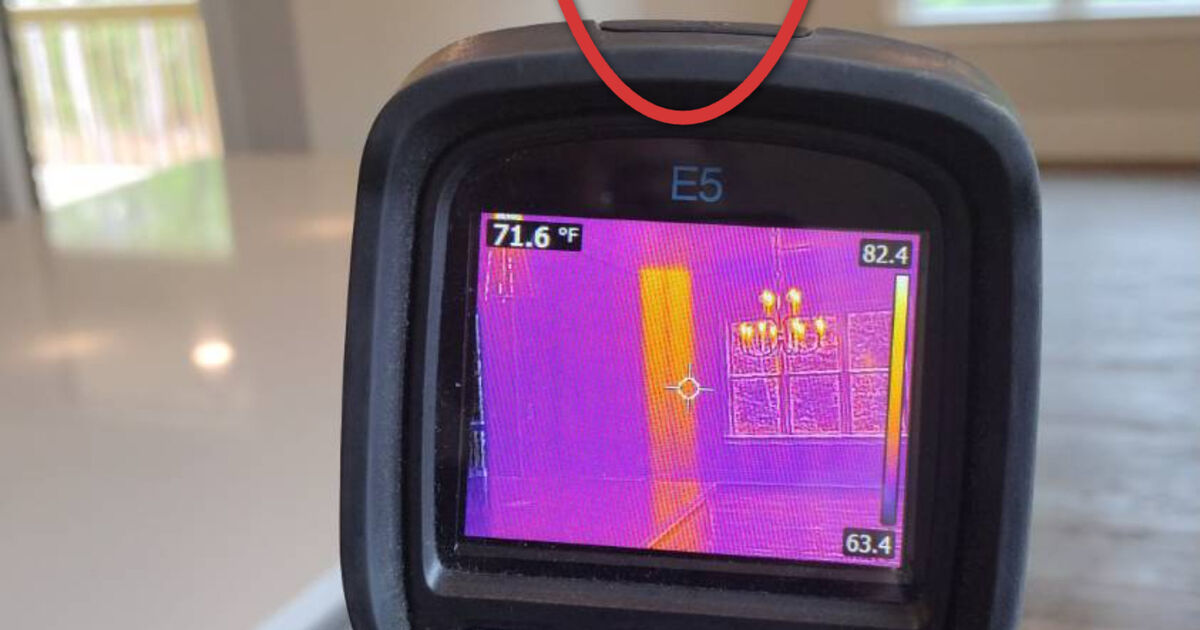
This is exactly the kind of hidden condition we describe in what a home inspection won’t find. Thermal imaging helps; overheating connections show up as heat signatures, as we explain in our post on how thermography spots electrical issues. Nevertheless, only a licensed electrician can fully trace and confirm a home’s wiring.
What to Do If Your Home Has Knob and Tube Wiring
Don’t panic, but don’t ignore it either. Get a licensed electrician to evaluate how much remains and whether it’s active. Then get a written rewiring estimate before your due diligence period ends. Armed with that number, you can negotiate the price or repairs with the seller. Most importantly, never let anyone bury it under new insulation — heat needs somewhere to go.
Frequently Asked Questions About Knob and Tube Wiring
When was knob and tube wiring used?
From roughly 1880 through the early 1940s. Therefore, any home built before World War II could contain it, even after renovations.
Is knob and tube wiring illegal?
Existing installations are generally not illegal. However, many insurance companies restrict or refuse coverage, and most electricians recommend replacement.
Can I get insurance on a home with knob and tube?
Sometimes, but expect higher premiums, conditions, or outright denials. As a result, you should talk to your insurer before closing, not after.
Why is knob and tube wiring dangerous?
The insulation grows brittle with age and heat, the system can’t handle modern electrical loads, and there’s no ground wire. Together, these raise fire and shock risks.
Will a home inspection find all knob and tube wiring?
Not always. Wiring hides behind walls and under attic insulation, which inspectors don’t disturb. Consequently, a licensed electrician’s evaluation is the only way to fully confirm.
How much does it cost to replace knob and tube wiring?
It depends on the home’s size, access, and how much original wiring remains. For that reason, we recommend getting a written electrician’s estimate during your due diligence period.
Buying an Older Home? Inspect It Like One
Historic homes reward buyers who do their homework. Our inspectors know where older Atlanta and Birmingham homes hide their original wiring, and our thermal cameras help spot trouble behind the walls. Contact Ally Property Inspections to schedule an inspection that matches the age of your home.