

By Meredith Jones, Owner, Ally Property Inspections · Published July 9, 2026
Fireplace inspections are easy to overlook, but they matter more than most buyers expect. A fireplace can make a home feel warm, inviting, and well cared for. But during a home inspection, a fireplace is not just a design feature. It is a system that deserves careful attention.
Many buyers see a fireplace as a bonus. What they do not always realize is that visible defects involving the firebox, damper, hearth, chimney, gas components, or surrounding materials can affect safety, function, and repair costs. A fireplace that looks attractive in listing photos may still have issues that need attention before regular use.
At Ally Property Inspections, we inspect homes across Birmingham, Huntsville, and the Atlanta area, and fireplaces are one of those areas buyers often assume are fine unless something looks obviously broken. That is not always the case. Whether the home has a traditional wood-burning fireplace or gas logs, visible fireplace conditions matter.
Why Fireplace Inspections Matter
A fireplace involves heat, combustion, venting, and materials that can deteriorate over time. That alone makes it worth taking seriously.
Like other parts of a home, fireplaces can show signs of age, deferred maintenance, poor repairs, or unsafe conditions. Cracked firebrick, damaged hearth materials, deteriorated chimney components, missing caps, malfunctioning dampers, loose gas log components, and visible staining are all examples of issues that may affect whether the fireplace is ready for safe, reliable use.
That is why fireplace inspections matter during a home inspection. They help identify visible conditions that buyers may not think to evaluate during a showing, especially if the fireplace is not in regular use by the seller.
What a Fireplace Inspection Can Reveal
A professional home inspection is a visual evaluation of the home’s condition at the time of the inspection. It is not a specialty chimney sweep service or a destructive inspection, but it can still reveal a lot.
During a home inspection, fireplace observations may include:
- visible condition of the firebox
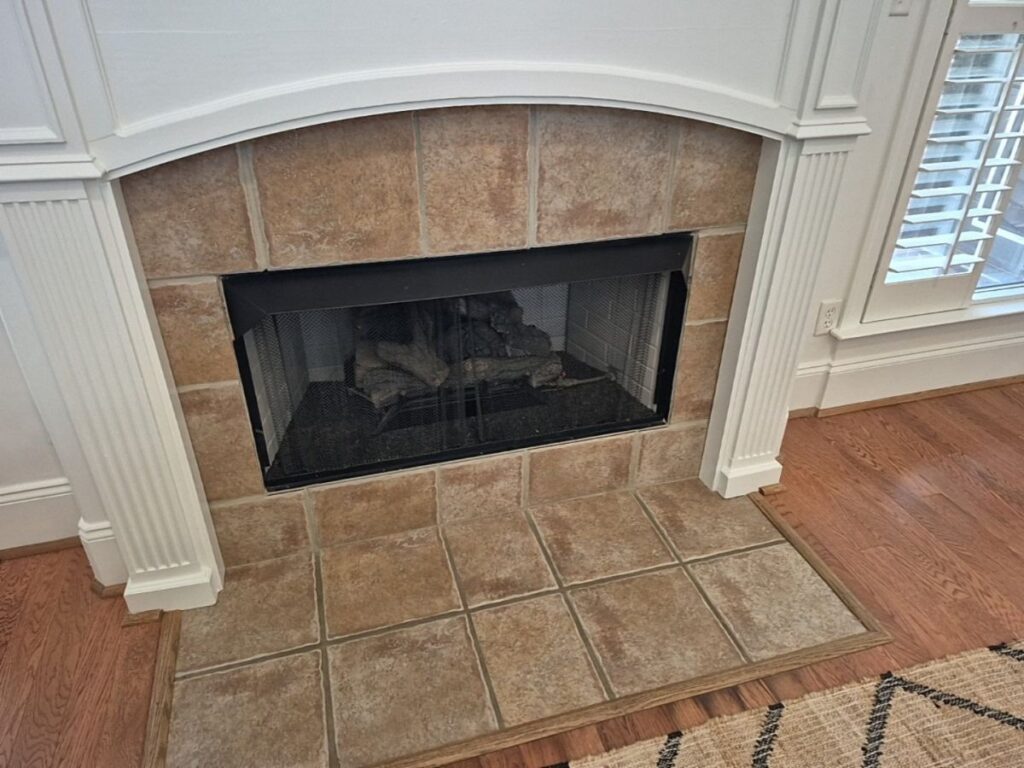
- hearth and surround condition
- damper operation, when accessible
- visible chimney components
- gas log presence and visible installation concerns, where applicable
- signs of soot, staining, or deterioration
- visible clearance concerns
- other observable conditions affecting function or safety
The goal is to identify visible deficiencies and document them clearly so the buyer has a better understanding of the fireplace’s condition and whether further evaluation or repairs may be needed.
Common Fireplace Problems Found During Home Inspections
Across Birmingham, Huntsville, and Metro Atlanta, some fireplace concerns show up again and again.
Cracked or Damaged Firebox Materials
The firebox takes direct heat exposure, so deterioration here matters. Cracked firebrick, damaged mortar, and worn surfaces can affect performance and may require repair before regular use.
Damper Problems
A damper should open and close properly. When it does not, the fireplace may not vent as intended, and energy loss or operational issues may follow. Buyers often do not think to check this at all.
Chimney Deterioration
Visible chimney problems may include damaged masonry, deteriorated caps, staining, cracking, or other signs of weathering. Even when the interior fireplace looks fine, the chimney may still have visible deficiencies that deserve attention.
Hearth and Surround Deficiencies
Loose, cracked, damaged, or improperly maintained hearth materials can affect both safety and appearance. These are easy to overlook because they may seem cosmetic, but they can still matter.
Gas Log or Gas Component Concerns
Where a fireplace includes gas logs or other visible gas components, the inspection may reveal loose components, visible corrosion, missing parts, or conditions that deserve further evaluation. These should never be brushed off casually.
Signs of Deferred Maintenance
A fireplace that has not been used much can still have issues. Soot staining, debris, rust, damaged finishes, and other visible wear may suggest the system has not been maintained or evaluated recently.
Fireplace Issues We Commonly See in Birmingham, Huntsville, and Atlanta
Homes in Alabama and Georgia often have fireplaces that range from regularly used to mostly decorative. Because of that, some of the most common fireplace issues we see include:
- cracked or damaged firebox materials
- damper problems
- visible chimney deterioration
- damaged hearth materials
- gas log or gas component concerns
- signs of deferred maintenance
- staining or residue consistent with past use
- conditions that deserve chimney or fireplace specialist follow-up
This does not mean every fireplace has major problems. It does mean fireplaces should be evaluated carefully, especially when buyers intend to use them.
Why Fireplace Problems Are Common in Alabama and Georgia Homes
Many homes in Birmingham, Huntsville, and the Atlanta area were built with fireplaces that have gone through years of use, long periods of non-use, repairs, cosmetic updates, and changing ownership.
Some fireplaces are used often. Others sit unused for years, which can create a false sense of security. A fireplace that has not been used recently is not automatically problem-free. In some cases, lack of use means defects have simply gone unnoticed longer.
Weather also matters. Exterior chimney components are exposed to rain, humidity, seasonal temperature changes, and ordinary aging. Over time, that exposure can take a toll on visible materials and performance.
When Fireplace Inspections Matter Most
A fireplace deserves even closer attention:
- before buying a home
- when the seller has not used it regularly
- when there are visible cracks or stains
- when the damper does not operate properly
- when the chimney shows visible deterioration
- when the home has gas logs or visible gas components
- when you plan to use the fireplace soon after moving in
For many homebuyers, fireplace findings are not about whether the feature looks nice. They are about whether it is likely to be safe and functional. Quality fireplace inspections give you that clarity before you commit.
Simple Fireplace Problems Homebuyers Should Not Ignore
During a showing or walkthrough, do not ignore:
- damaged mortar
- visible soot staining
- rust or deterioration
- a damper that does not move properly
- loose or damaged hearth materials
- visible chimney cracking or wear
- gas log components that look damaged or incomplete
These are the kinds of details buyers often downplay because the fireplace is not their main focus.
Need a Home Inspection in Alabama or Georgia?
If you are buying, selling, or maintaining a home in Birmingham, Huntsville, or the Atlanta area, the fireplace deserves more than a quick glance. A professional inspection can help uncover visible deficiencies involving the firebox, hearth, damper, chimney, gas components, and other conditions that may affect safety, function, and future repair planning.
At Ally Property Inspections, we help clients across Alabama and Georgia better understand the homes they are buying, selling, and maintaining with thorough, professional home inspections.