
By Meredith Jones, Owner, Ally Property Inspections · Published June 14, 2026
Key Takeaways
- An investment property inspection protects your numbers before you ever close, not after the surprises start.
- The big-ticket systems — roof, plumbing, electrical, and foundation — drive the deal, so they get the most scrutiny.
- Some investors choose a limited inspection focused only on those major items; others want a full inspection. It depends on your strategy.
- Either way, an independent report gives you leverage to negotiate or walk away.
Smart investors run the numbers on every deal. However, the numbers only work if the property behind them holds up. That’s exactly why an investment property inspection belongs in your due diligence, right alongside the comps and the rent roll. In the Birmingham, Huntsville, and Atlanta markets, we inspect rentals, flips, and buy-and-hold properties every week. Below, we break down what an inspection actually buys you, and how to choose the right level for your strategy.
Why Every Investor Needs an Investment Property Inspection
Of course, a listing photo hides a lot. Fresh paint and new flooring look great, yet they often sit on top of problems that cost thousands to fix. An independent inspection cuts through the cosmetics. As a result, you learn what you’re really buying before the money moves.
This matters even more when you can’t be on site. Many of our investor clients buy from out of state or juggle several deals at once. Therefore, they rely on our report as their eyes on the ground. We work for you, not the seller, so we tell you the truth about the property’s condition.
The Big-Ticket Items That Make or Break a Deal
Not every defect changes your decision. The major systems, though, almost always do. When investors ask what we focus on, the answer is consistent: roof, plumbing, electrical, and foundation. Together, these four carry the highest repair costs and the biggest surprises.
Take plumbing, for example. Older Birmingham homes often still have galvanized supply lines that corrode from the inside out. Consequently, water pressure drops and leaks follow, and a full repipe can run into the thousands. In fact, we flag this kind of issue on sight.
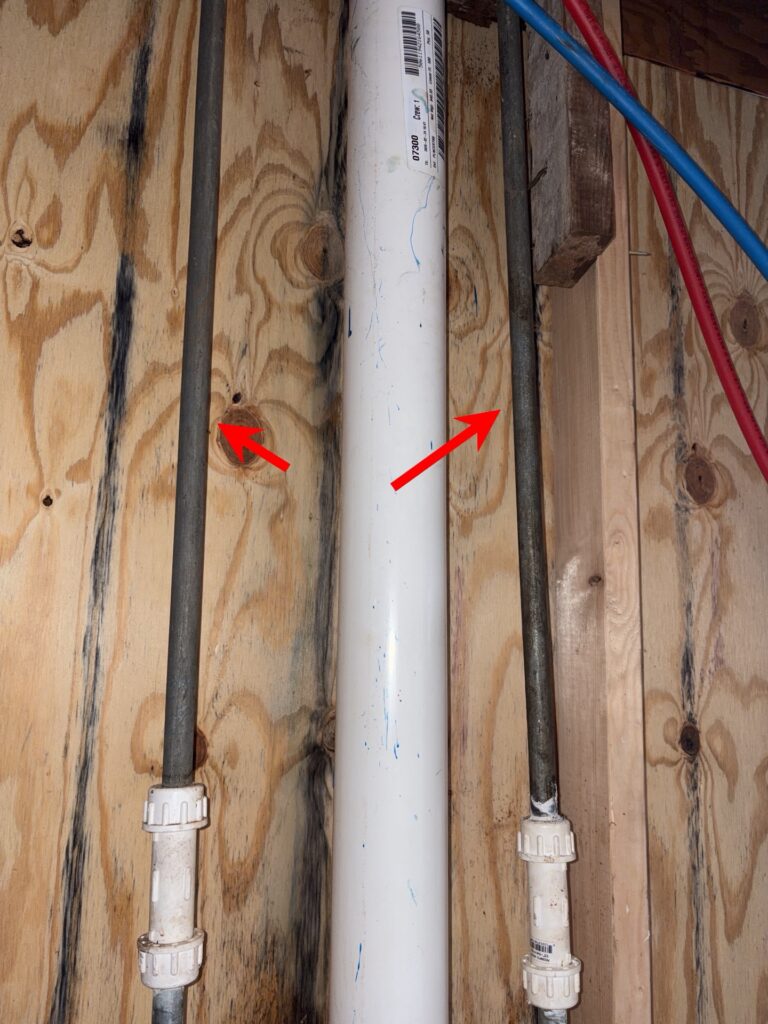
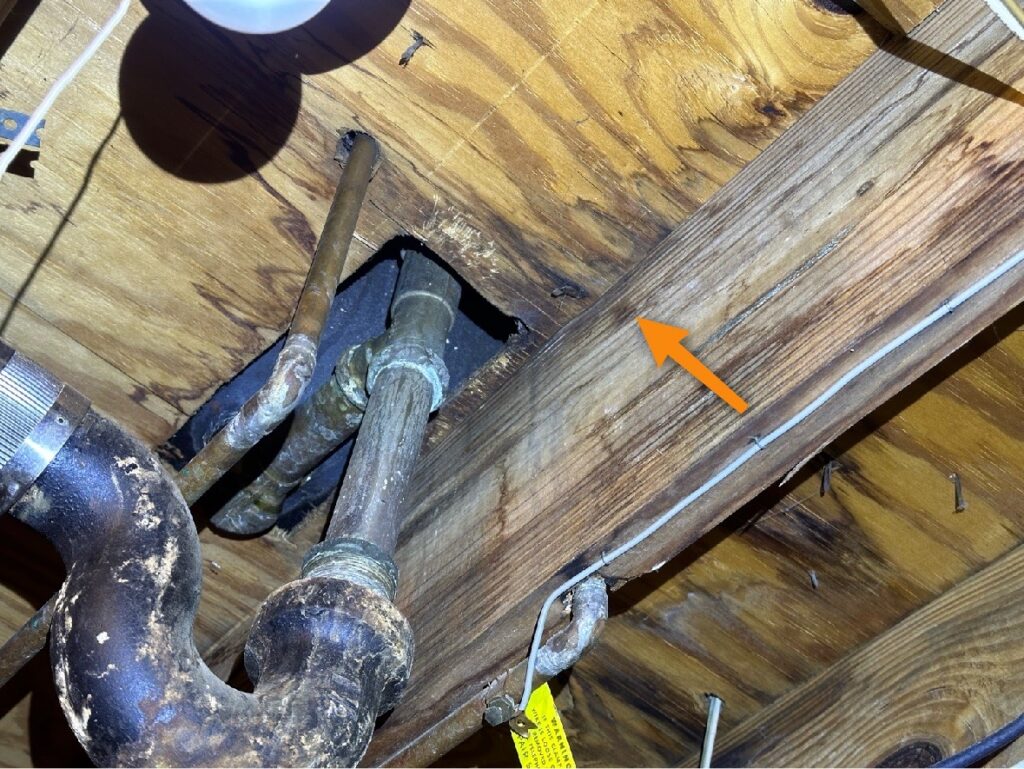
The same logic applies elsewhere. A worn roof, an overloaded electrical panel, or a foundation showing movement can erase a deal’s margin overnight. In addition, hidden moisture under the floors quietly rots the structure long before anyone notices upstairs.
Limited Inspection or Full Inspection: Which Do You Need?
Here’s where investors differ, and that’s perfectly fine. Some clients only care about the big-ticket items. For them, we offer a limited inspection that focuses on the roof, plumbing, electrical, and foundation. It’s faster and leaner, and it answers the one question they’re asking: are the major systems sound?
Other investors want the complete picture. So they choose a full inspection that covers everything a standard home inspection includes, from appliances and windows to grading and attic ventilation. Neither approach is wrong. Instead, the right choice depends on your risk tolerance, your exit plan, and how well you already know the property type.
Not sure which fits? Just tell us your strategy, and we’ll recommend the level that makes sense. For reference, a standard home inspection follows the InterNACHI Standards of Practice, which is what our full inspection is built around.
How an Inspection Protects Your Returns
An inspection isn’t just a checklist. Above all, it’s negotiating power. When the report shows a $9,000 roof at the end of its life, you have documented grounds to ask for a credit or a price reduction. Sellers argue with opinions, but they rarely argue with photos.
The report also protects your timeline. Because you know the repair list up front, you can budget the rehab accurately and avoid blown holding costs later. In short, a few hundred dollars now can save tens of thousands and weeks of delay down the road.
Don’t Skip Diligence on a Quick Flip
Speed tempts investors to cut corners, especially on a flip with a tight timeline. Still, the properties that look easiest often hide the worst problems. A quick limited inspection takes little time and gives you a clear read on the systems that matter most.
Even seasoned investors miss things from a walkthrough. Likewise, contractors estimating a rehab tend to price what they can see, not what’s behind the wall. An independent investment property inspection fills that gap with an unbiased, trained set of eyes.
Frequently Asked Questions About Investment Property Inspections
Do I really need an inspection on an investment property?
In most cases, yes. An investment property inspection reveals the true condition behind the cosmetics. As a result, you protect your margin and avoid expensive surprises after closing.
What is a limited inspection?
A limited inspection focuses only on the big-ticket systems, such as the roof, plumbing, electrical, and foundation. Therefore, it’s a fast, cost-effective option for investors who only care about the major items.
Should I get a limited or a full inspection?
It depends on your strategy. For example, a buy-and-hold landlord often wants the full picture, while a flipper may only need the majors. Tell us your plan, and we’ll recommend the right level.
How much does an investment property inspection cost?
Pricing depends on the size of the property and the inspection level you choose. Because a limited inspection covers fewer systems, it generally costs less than a full one. Contact us for a quick quote.
Can you inspect if I’m buying out of state?
Absolutely. Many of our investor clients never see the property in person. Consequently, our detailed report with photos becomes their eyes on the ground before they commit.
What are the most common big-ticket problems you find?
Aging roofs, corroded galvanized plumbing, overloaded electrical panels, and foundation movement top the list. In addition, hidden moisture damage under floors is a frequent and costly find.
Get the Right Inspection for Your Next Deal
Every deal is different, and so is every investor. Whether you want a focused limited inspection or a full, top-to-bottom review, an investment property inspection gives you the facts to buy with confidence. Our team inspects rentals, flips, and long-term holds across Birmingham, Huntsville, and the Atlanta metro.
Ready to protect your next purchase? Schedule your investment property inspection today, or contact us to talk through which level fits your strategy.