

By Meredith Jones, Owner, Ally Property Inspections · Published June 18, 2026
Electrical system inspections protect both the safety and function of a home. Electrical problems are some of the most important issues uncovered during a home inspection because they can affect both safety and function.
Unlike a roof leak or foundation crack, many electrical concerns are not obvious at first glance. A home can appear perfectly normal while still having missing safety devices, improper panel conditions, loose outlets, missing protection in wet areas, or other defects that deserve attention.
At Ally Property Inspections, we inspect homes across Birmingham, Huntsville, and the Atlanta area, and electrical issues are among the most common and most important safety findings we report. Whether you are buying a home, selling one, or simply trying to better understand the property you own, electrical system conditions deserve careful attention.
Why Electrical Inspections Matter
A home’s electrical system affects nearly every part of daily life, from lighting and appliances to heating, cooling, and safety devices.
When electrical components are damaged, outdated, improperly installed, or missing key protective features, the risks can include unreliable performance, shock hazards, and increased fire risk. Some issues are relatively minor. Others should be addressed as soon as possible.
That is one reason electrical evaluations matter so much during a home inspection. An inspection can help identify visible concerns involving:
- the main electrical panel
- circuit breakers
- accessible wiring
- outlets and switches
- GFCI protection
- smoke detectors
- carbon monoxide detectors
- other visible electrical safety concerns
For homebuyers, these findings can affect repair planning, negotiations, and budgeting. For homeowners, they can highlight important upgrades and safety corrections before a larger problem develops.
What an Electrical Inspection Can Reveal
A professional home inspection is not the same thing as a specialty evaluation by a licensed electrician, but it can reveal many visible and functional concerns that deserve follow-up.
During a home inspection, electrical observations may include:
- visible condition of the main panel and breakers
- missing or damaged panel components
- whether breakers appear labeled
- visible wiring concerns at accessible areas
- operation of representative outlets, switches, and fixtures
- GFCI protection at appropriate locations
- presence and basic operation of smoke detectors
- presence of carbon monoxide detectors where applicable
- other visible deficiencies that may affect safety or function
Electrical system inspections focus on visible, documented findings. The goal is to identify observable issues and document them clearly so the client has a better understanding of the home’s condition.
Common Electrical Problems Found During Home Inspections
Across Birmingham, Huntsville, and Metro Atlanta, some electrical concerns show up again and again.
Unlabeled or Poorly Organized Electrical Panels
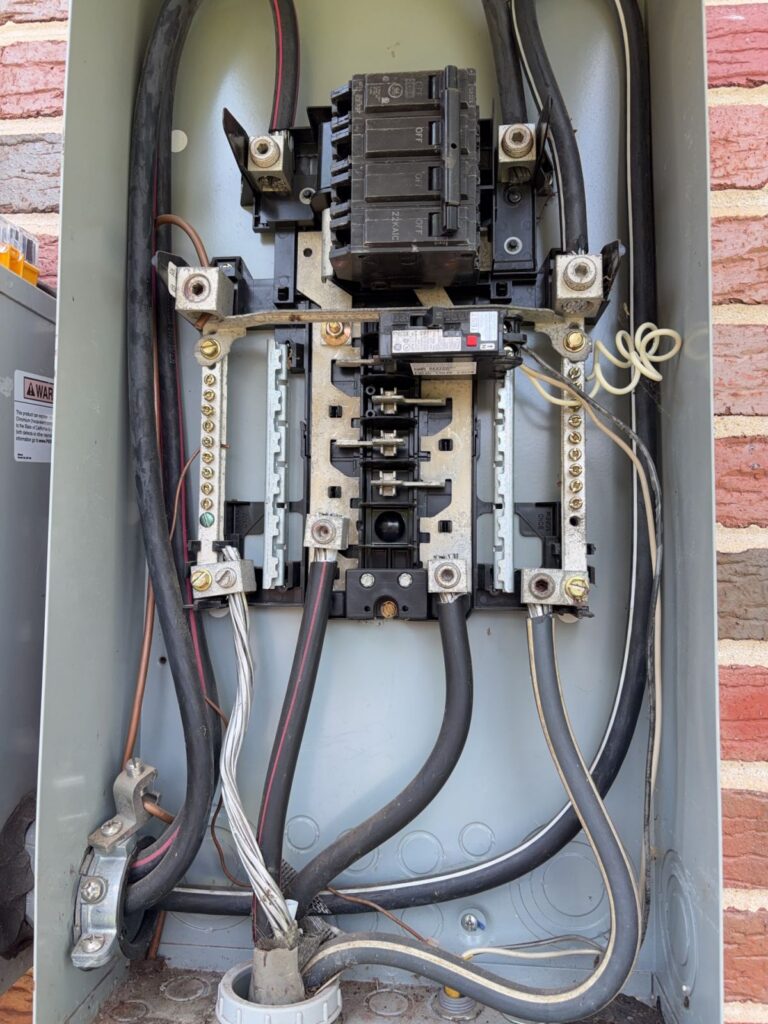
A panel should be easier to understand than many homeowners realize. When breakers are unlabeled or poorly identified, it becomes harder to shut off the correct circuit during repairs, troubleshooting, or emergencies.
We also sometimes find damaged panel components, missing covers, or other conditions that should be corrected for safety and proper function.
Missing GFCI Protection
GFCI protection is especially important in areas where moisture is present, such as bathrooms, kitchens, garages, crawl spaces, unfinished areas, and exterior locations.
When required protection is missing, the risk of shock is higher. This is one of the most common electrical issues we find in older homes and in homes that have not had electrical updates over time.
Missing, Inoperative, or Inadequate Smoke and Carbon Monoxide Detectors
Smoke and carbon monoxide detectors are simple devices, but they play a major role in household safety.
We regularly find homes with missing detectors, detectors in the wrong locations, dead batteries, or units that do not respond properly when tested. These may seem like small issues, but they matter.
Loose, Damaged, or Non-Functional Receptacles
Loose outlets, damaged receptacles, broken cover plates, and non-functioning outlets are common findings. These conditions can affect usability and may also indicate wear, damage, or poor repairs.
Panel and Wiring Deficiencies
Some homes show visible panel installation concerns, missing fasteners, damaged weatherproof covers at exterior receptacles, or accessible wiring issues that deserve repair or further evaluation.
These are the kinds of electrical details that are easy for homeowners to overlook but are important to catch during an inspection.
Electrical Issues We Commonly See in Birmingham, Huntsville, and Atlanta
Homes in Alabama and Georgia often have a mix of old and newer electrical components. Because of that, some of the most common issues we see include:
- unlabeled breakers
- missing GFCI protection
- loose or damaged receptacles
- missing or damaged cover plates
- missing, inoperative, or poorly placed smoke detectors
- missing carbon monoxide detectors
- exterior receptacles with damaged weatherproof covers
- visible panel or wiring deficiencies
Electrical system inspections put those findings in context. This does not mean every home has serious electrical problems. It does mean electrical systems deserve careful attention, especially in older homes or homes with visible signs of deferred maintenance.
Real Examples of Electrical Issues We’ve Found
Real inspections are often the best reminder that electrical problems are not always obvious.
In Smyrna, Georgia, we inspected a home where the main electrical panel had breakers that were not labeled. That creates unnecessary confusion when someone needs to identify or shut off a specific circuit. In the same home, we also found missing or damaged cover components and loose receptacles, which added to the overall safety concern.
In Trussville, Alabama, we found several electrical issues, including missing GFCI protection where it was needed, loose and non-functioning receptacles, missing covers, and smoke and carbon monoxide detectors with dead batteries. These were not cosmetic concerns. They were the kind of deficiencies that should be corrected.
In Roswell, Georgia, we found smoke detectors that were not functioning properly. That is exactly the kind of issue homeowners may not discover until it matters most.
These examples are a good reminder that electrical concerns often hide in plain sight. A home can look clean and well maintained while still having important electrical safety issues that need attention.
Why Electrical Problems Are Common in Alabama and Georgia Homes
Many homes in Birmingham, Huntsville, and the Atlanta area were built before some of today’s newer safety expectations became standard.
Older homes may have missing GFCI protection, fewer safety devices, outdated components, or systems that have been modified over time by multiple owners or contractors. Even newer homes can develop electrical issues through wear, deferred maintenance, storm impacts, or improper repairs.
When to Schedule an Electrical Inspection
An electrical inspection is especially valuable:
- before buying a home
- when a home is older
- after storm damage or water intrusion
- when lights flicker or breakers trip repeatedly
- when outlets do not work properly
- when you are planning repairs, updates, or renovations
- when you want a better understanding of the home’s safety and condition
For many buyers, electrical findings are some of the most important parts of the inspection report because they may point to both immediate safety concerns and future upgrade needs.
Simple Electrical Safety Checks Homeowners Should Not Ignore
A professional inspection matters, but there are also a few practical things homeowners should pay attention to between inspections.
Pay attention if you notice:
- breakers that trip repeatedly
- outlets that feel loose
- missing or cracked cover plates
- dead smoke detector batteries
- missing GFCI protection in obvious wet areas
- exterior outlets with damaged covers
- switches or receptacles that do not work properly
These are not things to shrug off.
Need a Home Inspection in Alabama or Georgia?
If you are buying, selling, or maintaining a home in Birmingham, Huntsville, or the Atlanta area, the electrical system deserves close attention. Electrical system inspections are worth it before you buy. A professional inspection can help uncover visible deficiencies involving panels, outlets, safety devices, protective components, and other conditions that may affect the home’s function and safety.
At Ally Property Inspections, we help clients across Alabama and Georgia better understand the homes they are buying, selling, and maintaining with thorough, professional home inspections.