

By Meredith Jones, Owner, Ally Property Inspections · Published July 2, 2026
Basement and crawlspace inspections reveal what is happening under the house. Basements and crawlspaces are some of the most important parts of a home and some of the most ignored.
Most buyers do not spend much time thinking about what is happening under the house. They focus on kitchens, bathrooms, flooring, paint colors, and curb appeal. But the basement or crawlspace can reveal moisture problems, drainage issues, wood damage, insulation concerns, plumbing leaks, structural warning signs, and conditions that may lead to bigger repair costs later.
At Ally Property Inspections, we inspect homes across Birmingham, Huntsville, and the Atlanta area, and basement and crawlspace issues are some of the most important findings we report. In Alabama and Georgia, moisture is a constant factor. That is exactly why these areas deserve close attention during a home inspection.
Why Basement and Crawlspace Inspections Matter
What is happening below the home can affect a lot more than people realize.
A damp crawlspace or basement can contribute to wood deterioration, insulation problems, mold-like conditions, pest activity, air-quality concerns, and higher repair costs over time. Poor drainage around the home can allow water to collect where it should not. Plumbing leaks in these areas often go unnoticed longer than they would inside the living space. Structural components may also show signs of settlement, movement, damage, or past repairs.
These are not glamorous parts of the home, but they matter.
That is why basement and crawlspace inspections are such an important part of the home inspection process. They help identify visible conditions that can affect the home’s performance, maintenance needs, and overall condition.
What a Basement or Crawlspace Inspection Can Reveal
A professional home inspection is a visual evaluation of the home’s condition at the time of the inspection. It is not an invasive inspection and it does not involve tearing into concealed areas. But it can still reveal a great deal.
During a home inspection, basement and crawlspace observations may include:
- signs of moisture intrusion
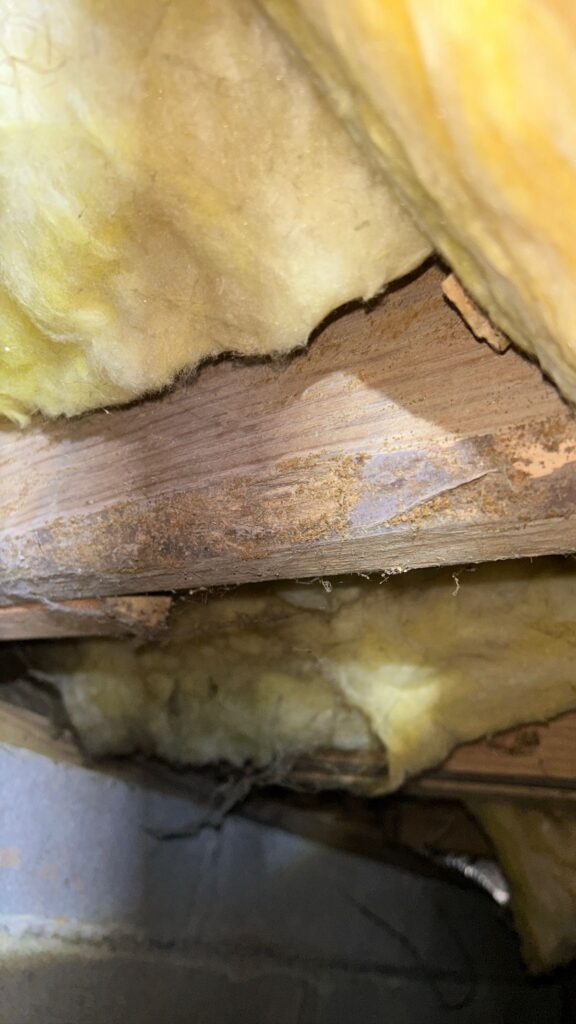
- visible wood damage or deterioration
- insulation condition
- ventilation concerns
- drainage-related issues
- plumbing leaks or staining
- visible structural components
- signs of pest activity
- damaged vapor barriers where present
- other visible deficiencies affecting function or condition
The goal is to identify observable concerns and document them clearly so the buyer has a better understanding of the property.
Common Basement and Crawlspace Problems Found During Home Inspections
Across Birmingham, Huntsville, and Metro Atlanta, some basement and crawlspace concerns show up again and again.
Moisture Intrusion
Moisture is one of the biggest issues we see in crawlspaces and basements. Water may enter from poor grading, drainage issues, plumbing leaks, foundation wall seepage, condensation, or a combination of factors.
Sometimes the signs are obvious. Sometimes they are more subtle, like staining, damp materials, musty odors, rust, or visible water marks. Even when standing water is not present on the day of the inspection, signs of past or recurring moisture still matter.
We also use tools like thermography (infrared cameras) and moisture meters to find moisture intrusion that our eyes cannot yet see.
Wood Damage and Deterioration
When moisture sticks around, wood components can begin to deteriorate. That may include floor framing, beams, subflooring, sill plates, or other structural and non-structural wood materials.
This is one reason buyers should not treat crawlspace moisture as “just a little dampness.” Over time, damp conditions can become expensive.
Insulation Problems
Crawlspace and basement insulation is often damaged, missing, fallen, compressed, or installed poorly. In some homes, insulation has been affected by moisture or pest activity. In others, it is simply incomplete or in poor condition.
That can affect energy performance and can also be a clue that these areas have had ongoing issues.
Ventilation Concerns
Ventilation conditions vary depending on the type of crawlspace or basement and how the home is built. What matters during an inspection is whether visible conditions suggest poor moisture control, trapped humidity, or other concerns that may affect the home over time.
Plumbing Leaks and Drainage Issues
Basements and crawlspaces often contain visible plumbing lines, drains, shutoffs, and other components that can reveal leaks or past leakage. Because these spaces are out of sight, plumbing issues can continue longer before a homeowner notices them.
Pest Activity
These areas are also common places to find signs of pest activity. Wood-destroying organisms, rodents, and other pests are more likely to take advantage of dark, damp, undisturbed areas. That is another reason crawlspace and basement conditions matter more than many buyers realize.
Structural Warning Signs
Not every crack, pier issue, or framing irregularity means the house has a major structural problem. But basements and crawlspaces can reveal warning signs that deserve attention, especially when paired with movement, sagging, moisture, or past repairs.
Basement and Crawlspace Issues We Commonly See in Birmingham, Huntsville, and Atlanta
Homes in Alabama and Georgia often deal with a mix of humidity, rainfall, drainage challenges, older construction, and piecemeal repairs over time. Because of that, some of the most common basement and crawlspace issues we see include:
- moisture intrusion
- damp or stained materials
- damaged or fallen insulation
- wood deterioration
- poor drainage conditions
- plumbing leaks
- damaged or incomplete vapor barriers
- signs of pest activity
- visible foundation or framing concerns
- conditions consistent with deferred maintenance
This does not mean every home has major issues below it. It does mean these areas should be evaluated carefully, especially in the Southeast.
Why Basement and Crawlspace Problems Are Common in Alabama and Georgia Homes
In Alabama and Georgia, homes deal with heat, humidity, heavy rain, and seasonal moisture conditions that can make below-home areas especially vulnerable.
Many homes in Birmingham, Huntsville, and the Atlanta area also have age-related factors working against them. Older homes may have older drainage strategies, inconsistent repairs, aging materials, or crawlspaces that were never set up to control moisture very well in the first place.
Even newer homes are not immune. Poor grading, weak drainage details, construction shortcuts, plumbing leaks, and neglected maintenance can all create basement or crawlspace problems.
When to Pay Extra Attention to the Basement or Crawlspace
These areas deserve even closer attention:
- before buying a home
- when the home has a history of moisture issues
- when you notice musty odors
- when floors feel uneven or soft
- when there are visible drainage concerns around the exterior
- when insulation is damaged or missing
- when the home has a crawlspace and no one seems to know its condition
- when you want a better understanding of hidden maintenance risks
For many homebuyers, crawlspace and basement findings are some of the most important parts of the report because they reveal what is happening in a part of the house that people rarely check on their own.
Simple Basement and Crawlspace Problems Homebuyers Should Not Ignore
During a showing or walkthrough, do not ignore:
- musty smells
- soft or uneven floors
- visible water staining
- signs of repeated moisture cleanup
- sagging insulation
- standing water near the home
- evidence of pests
- cracks or movement that seem to match other concerns in the house
These are often early clues that there is more going on below the home than a buyer realizes.
Need a Home Inspection in Alabama or Georgia?
If you are buying, selling, or maintaining a home in Birmingham, Huntsville, or the Atlanta area, the basement or crawlspace deserves more than a quick glance. Basement and crawlspace inspections are worth it before you buy. A professional inspection can help uncover visible deficiencies involving moisture intrusion, insulation, drainage, plumbing, wood damage, pest activity, and other conditions that may affect the home’s safety, function, and long-term maintenance needs.
At Ally Property Inspections, we help clients across Alabama and Georgia better understand the homes they are buying, selling, and maintaining with thorough, professional home inspections.