

By Meredith Jones, Owner, Ally Property Inspections · Published June 13, 2026
Key Takeaways
- New construction home inspections routinely find defects that builders, crews, and city inspectors miss on a fast-moving build.
- Grading, drainage, and missing flashing cause the costliest hidden damage, especially in Alabama’s clay soil and heavy spring rain.
- Cosmetic issues are easy to spot; the dangerous problems hide behind walls, under floors, and below grade.
- Schedule your own inspection before closing, and again before the builder warranty expires.
Buying a brand-new home feels like a safe bet. After all, everything is new, so what could possibly go wrong? Quite a bit, as it turns out. New construction home inspections regularly uncover problems that builders, subcontractors, and even municipal inspectors overlook during a rushed schedule. In the Birmingham, Huntsville, and Atlanta markets especially, tight timelines and heavy spring rain expose shortcuts quickly. Below, we walk through the top red flags our inspectors catch on new builds, so you know exactly what to watch for before you close.
Why a New Home Still Needs an Inspection
Many buyers assume a new house is flawless because the city already signed off on it. However, a municipal inspector checks code compliance in a few minutes, not the careful detail of a private inspection. As a result, plenty of defects slip through. Builders also juggle dozens of subcontractors, and quality varies from crew to crew.
An independent inspection puts someone on your side. We work for you, not the builder. Therefore, we report every issue plainly, from a loose railing to a foundation drainage problem that could cost thousands later.
Poor Grading and Drainage
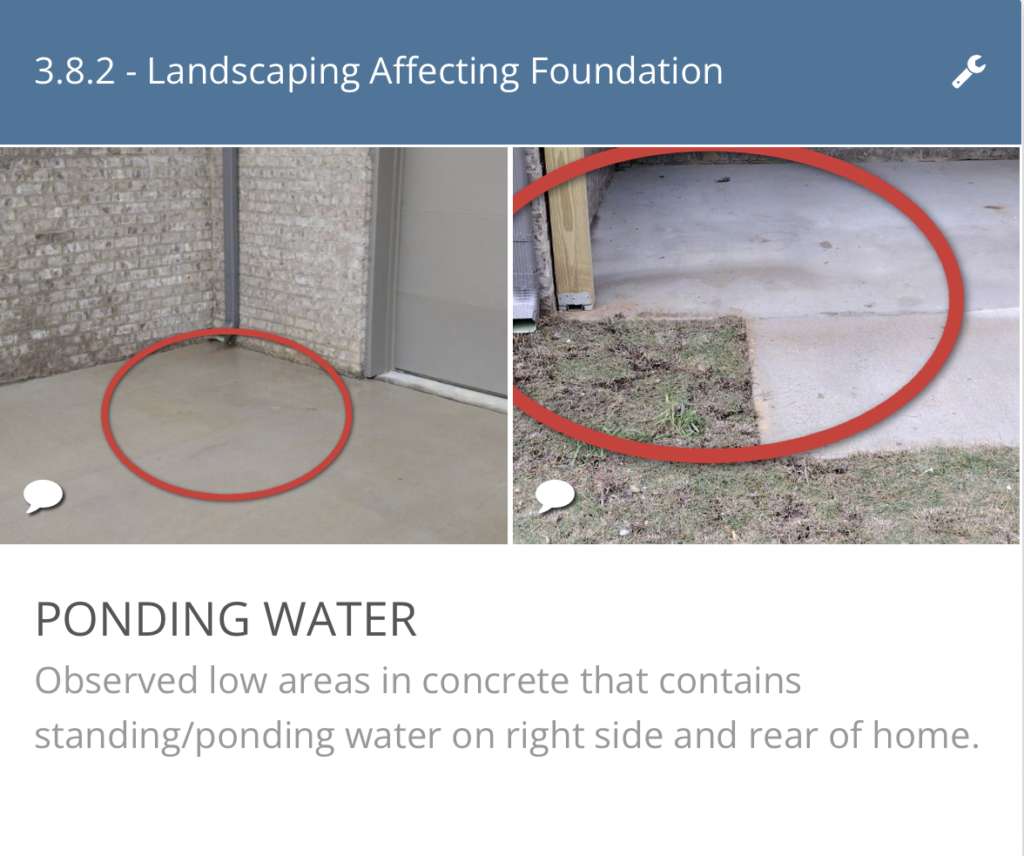
Grading is the single most overlooked red flag on a new lot. Builders often leave soil sloping toward the foundation instead of away from it. Consequently, rain pools against the slab and finds its way inside. The International Residential Code requires the ground to fall at least six inches within the first ten feet around the home. Many new builds simply miss this mark.
In Alabama, this matters even more. Our clay soil holds water, and our spring storms drop inches at a time. Look for downspouts that dump right at the foundation, low spots near the house, and fresh sod hiding uneven dirt. A regrade is cheap now and expensive after water damage starts.
Missing or Improper Flashing
Flashing directs water away from vulnerable spots, such as where a roof meets a wall. Missing kickout flashing is one of the most common and damaging defects on modern homes, according to InterNACHI. Without it, water runs behind the siding instead of into the gutter.
The damage often hides for months. In fact, you may see nothing on the surface while the wall sheathing rots behind it. For that reason, our inspectors check every roof-wall intersection, window head, and deck ledger closely.
Sewer and Underground Line Issues
New sewer lines fail more often than buyers expect. Construction debris, crushed pipe, and poor backfill all cause early problems. Meanwhile, warning signs include standing water in the yard, slow drains, and a heaved walkway over the line.
A sewer scope inspection sends a camera through the line to catch these issues before closing. Because a sewer repair can run up to $10,000, the scan pays for itself many times over.
Poorly Fitted Doors and Windows
Doors and windows reveal a lot about build quality. When they stick, rattle, or won’t latch, the framing or installation is usually off. In addition, gaps around the frame let conditioned air escape and moisture creep in.
Drafts drive up your power bill, especially through an Alabama summer. Worse, a door that won’t seal is also a security weak point. Test every one during your walkthrough, and flag anything that doesn’t operate smoothly.
Cracks in Walls and Foundation
Some settling is normal in the first year, so not every crack is a crisis. Hairline cracks under about two millimeters are usually cosmetic. However, certain cracks deserve real concern.
Call the builder’s warranty team if a crack is wider than five millimeters, tapered, widening quickly, or visible from both inside and outside. These patterns can signal a foundation problem. Therefore, document them with photos and a date so you can track any movement.
Brick and Mortar Pointing
Sloppy mortar joints are more than an eyesore. Gaps and cracks in the pointing let water reach the wall behind the brick. Over time, that moisture rots framing, invites pests, and damages interior finishes.
Look closely at corners, around windows, and near the roofline. If you see crumbling or missing mortar on a brand-new home, the masonry crew rushed the job. As a result, it needs attention before the first hard rain.
Separating or Gapping Wood Floors
Wood floors should sit tight and flat on a new build. Gaps, cupping, or lifting boards point to a moisture or subfloor problem. For example, flooring installed before the home dried out will shrink and separate later.
These repairs only get harder over time. In some cases, the whole floor must come up and go back down. Catch it early, and the builder owns the fix instead of you.
Improper Plumbing Hookups
Plumbing defects are common when crews work fast. Reversed hot and cold lines are the issue we find most. Beyond the daily annoyance, bad hookups also cause leaks, water damage, and even mold inside fresh walls.
Run every faucet, fill every sink, and flush every toilet during your visit. Then watch under cabinets for drips. Small leaks now become big claims later, so it pays to test thoroughly.
Incorrect Appliance Installation
Appliances go in last, often as an afterthought on closing day. Dishwashers, disposals, washers, dryers, and ranges all need correct connections and venting. Otherwise, you risk water damage, fire hazards, and voided warranties.
Make sure each appliance runs, drains, and vents the way it should. A dryer that isn’t vented outside, for instance, pumps moisture straight into the home. Likewise, a dishwasher without a proper air gap can back up dirty water into the sink.
Frequently Asked Questions About New Construction Home Inspections
Do I really need an inspection on a brand-new house?
Yes, and the reason is simple. A city inspector checks code in minutes, while new construction home inspections examine the build in careful detail. As a result, we routinely find issues that everyone else missed.
When should I schedule a new construction inspection?
Ideally, schedule one before closing so the builder fixes problems on their dime. In addition, many buyers add a pre-drywall inspection and an 11-month warranty inspection for full coverage.
What is an 11-month warranty inspection?
Most builder warranties last one year. Therefore, an 11-month warranty inspection catches defects while the builder is still obligated to repair them at no cost to you.
What is the most common new construction defect?
Grading and drainage problems top the list, followed by missing flashing and reversed plumbing lines. Because these hide below grade or behind walls, they are easy to overlook without a trained eye.
Will the builder fix what the inspection finds?
Usually, yes, especially before closing. A clear inspection report gives you documented leverage. Consequently, most builders address legitimate defects rather than risk the sale.
Can you inspect during construction, before drywall goes up?
Absolutely. A construction phase inspection lets us see framing, wiring, and plumbing while they are still exposed. Therefore, problems get fixed before they disappear behind the walls.
Protect Your Investment Before You Close
A new home is one of the biggest purchases you’ll ever make. New construction home inspections give you an honest, independent look before the keys change hands. Whether you’re buying in Birmingham, Huntsville, or the Atlanta metro, our team finds the red flags that matter and reports them in plain language.
Don’t take the builder’s word for it. Schedule your new construction home inspection today, and walk into closing with confidence.